Watercolor Thigh tattoo ideas
Watercolor — soft washes and splashes, usually with a linework anchor — on the thigh. What it costs you in pain and touch-ups, how big it should really be, and three starting points you can turn into concept directions before you talk to an artist.
- Realistic size window: 10–30 cm on the longest side. Below 8 cm watercolor detail closes up; measure the range against your own thigh before the consult, not on a phone screen.
- Fading risk is low here. Watercolor relies on light ink deposits, so sunscreen and a simple, well-spaced design matter more than they would for a bolder style.
- Let the design follow the curve of the thigh rather than fighting it — compositions with an S-curve or radial spine sit better than rigid rectangles.
Three starting points
Each opens the generator with the idea, style and placement prefilled. You get 3 deliberately different concept directions with composition notes and risk flags — consultation material, not final tattoo art.
Anchored Emblem
a hummingbird with a loose watercolor splash, watercolor, thigh
Generate 3 directions from this →
Organic Flow
a fine-line fox with a watercolor forest wash, watercolor, thigh
Generate 3 directions from this →
Minimal Structure
a musical phrase with ink-splash accents, watercolor, thigh
Generate 3 directions from this →
Or start from your own idea
The style
Watercolor tattoos
Watercolor tattoos imitate paint: soft washes, drips, splashes and colour bleeding with few or no outlines. Diluted, light pigments are the first to fade — pastel washes can lose most of their intensity within 5–8 years in sun-exposed skin. It works best when a black-line or solid element anchors the composition and the washes are an accent; artists warn that pure outline-free watercolor is a touch-up commitment, and a poor choice for hands, feet or anywhere that sees daily sun.
Suits: birds and feathers · florals with splashes · linework animals with a colour wash · abstract paint strokes · musical or script pieces with ink accents
The placement
Tattoos on the thigh
The outer thigh is one of the least painful placements (2–3 out of 10), with a large, gently curved surface that takes pieces from 10 cm to 30 cm and beyond. It is easy to hide, easy to heal — loose clothing helps — and the skin is thick and rarely sun-exposed, so detail lasts. The inner thigh is more sensitive and rubs against the other leg while healing; artists warn that thigh skin shifts with weight and muscle change, and that a front-of-thigh design should be checked standing, not lying down.
Works well here: large florals and botanicals · full-figure animals · ornamental garters and lace · portraits and figures · long vertical compositions
What the generator actually gives you
Not one image to reroll — three planned composition strategies (an anchored emblem, an organic flow, a minimal structure) with rationale and honest risk notes, then a preview on your own body photo, then a hand-off to your artist. Below: real, unedited pipeline output.
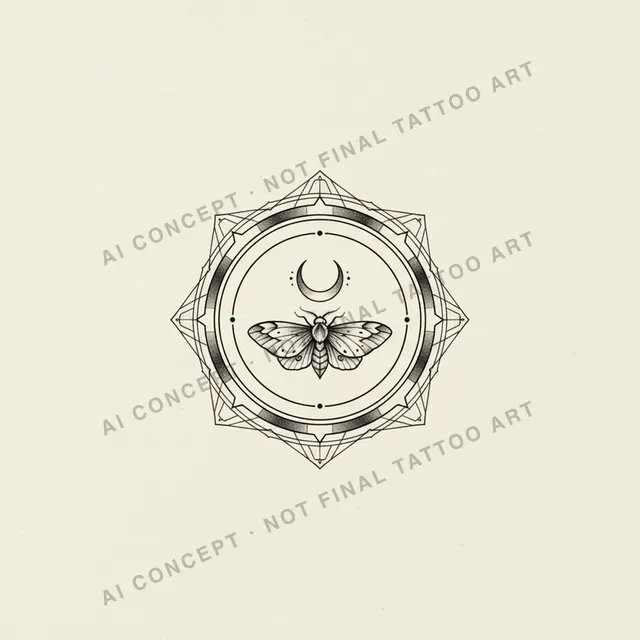
Anchored Emblem
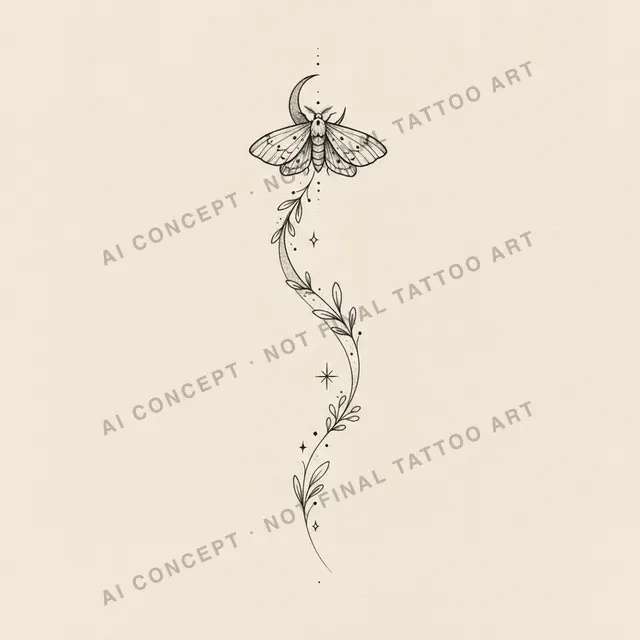
Organic Flow
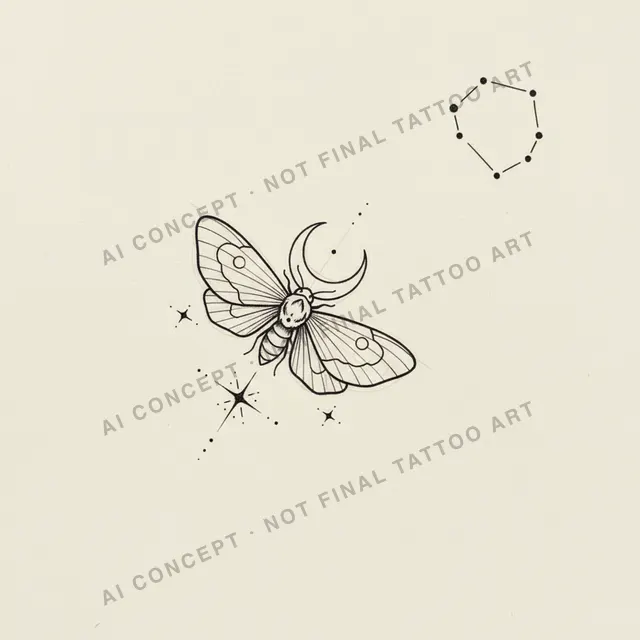
Minimal Structure
Related ideas
Watercolor elsewhere
Other styles on the thigh
All watercolor placements · All styles on the thigh · How to write a tattoo design brief · Preview it on your own photo
Questions, answered honestly
How much does a watercolor thigh tattoo hurt?+
The thigh is a moderate placement for pain: most people rate it 2–5 out of 10, with a big difference between the padded and the bony or thin-skinned parts. Watercolor is comparatively quick to execute, so sessions for a piece in the 10–30 cm range are usually short.
How big should a watercolor thigh tattoo be?+
A realistic range is 10–30 cm on the longest side. Watercolor needs at least 8 cm before healed detail stays legible, and the thigh comfortably takes 10–30 cm. Measure with a ruler on your own skin — sizes agreed on a phone screen are almost always smaller than the client imagined.
How will watercolor age on the thigh?+
Watercolor is the least durable category: light ink deposits soften and lighten within 5–10 years. The thigh is well protected from sun and friction, which is the best-case scenario for longevity.
Turn a watercolor thigh idea into a plan
Brief, 3 directions, placement preview, artist review. Free for you — artists pay for the workflow, not you for images.
For tattoo artists
Your clients arrive prepared. You stay in control.
Structured briefs, region comments, approvals, and quote-to-deposit flow — without giving up a single stroke of your final design. AI never trains on your work.