Watercolor Shoulder tattoo ideas
Watercolor — soft washes and splashes, usually with a linework anchor — on the shoulder. What it costs you in pain and touch-ups, how big it should really be, and three starting points you can turn into concept directions before you talk to an artist.
- Realistic size window: 8–20 cm on the longest side. Below 8 cm watercolor detail closes up; measure the range against your own shoulder before the consult, not on a phone screen.
- Fading risk is moderate here. Watercolor relies on light ink deposits, so sunscreen and a simple, well-spaced design matter more than they would for a bolder style.
- Let the design follow the curve of the shoulder rather than fighting it — compositions with an S-curve or radial spine sit better than rigid rectangles.
Three starting points
Each opens the generator with the idea, style and placement prefilled. You get 3 deliberately different concept directions with composition notes and risk flags — consultation material, not final tattoo art.
Anchored Emblem
a hummingbird with a loose watercolor splash, watercolor, shoulder
Generate 3 directions from this →
Organic Flow
a fine-line fox with a watercolor forest wash, watercolor, shoulder
Generate 3 directions from this →
Minimal Structure
a musical phrase with ink-splash accents, watercolor, shoulder
Generate 3 directions from this →
Or start from your own idea
The style
Watercolor tattoos
Watercolor tattoos imitate paint: soft washes, drips, splashes and colour bleeding with few or no outlines. Diluted, light pigments are the first to fade — pastel washes can lose most of their intensity within 5–8 years in sun-exposed skin. It works best when a black-line or solid element anchors the composition and the washes are an accent; artists warn that pure outline-free watercolor is a touch-up commitment, and a poor choice for hands, feet or anywhere that sees daily sun.
Suits: birds and feathers · florals with splashes · linework animals with a colour wash · abstract paint strokes · musical or script pieces with ink accents
The placement
Tattoos on the shoulder
The shoulder cap is rounded, muscular and forgiving — pain around 3–4 out of 10, thick skin, quick healing — and it gives a natural circular or radial canvas for pieces 8–20 cm across. It hides under a T-shirt but shows in a tank top, and it is the standard starting point for a sleeve or a chest-to-arm piece. Artists warn that the deltoid curves in two directions at once, so anything with straight edges or strict symmetry needs adapting, and that the top of the shoulder is a high-sun area unless you cover it.
Works well here: radial emblems and mandalas · florals that follow the curve · animal heads · crescent compositions · sleeve starting points
What the generator actually gives you
Not one image to reroll — three planned composition strategies (an anchored emblem, an organic flow, a minimal structure) with rationale and honest risk notes, then a preview on your own body photo, then a hand-off to your artist. Below: real, unedited pipeline output.
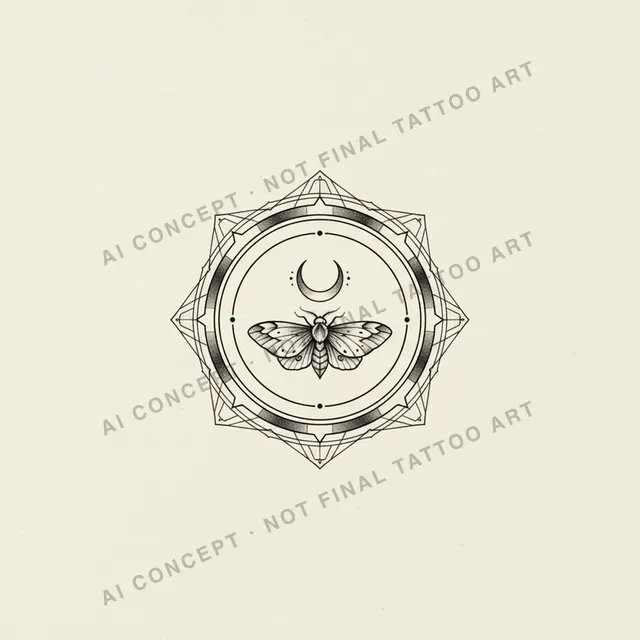
Anchored Emblem
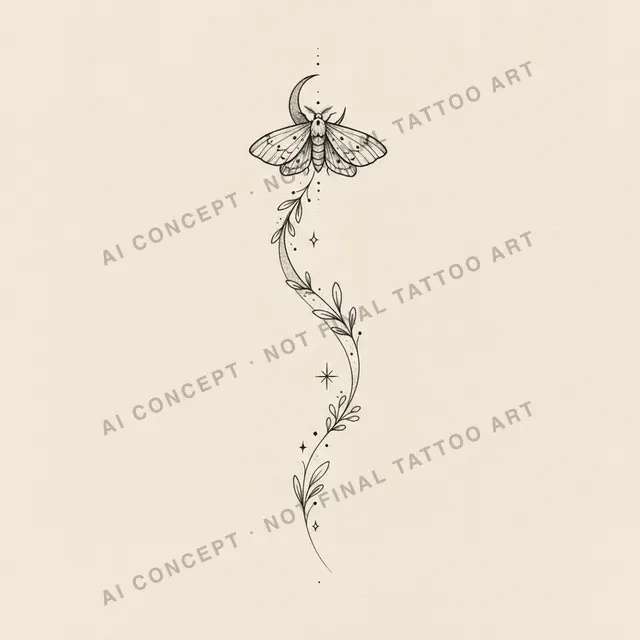
Organic Flow
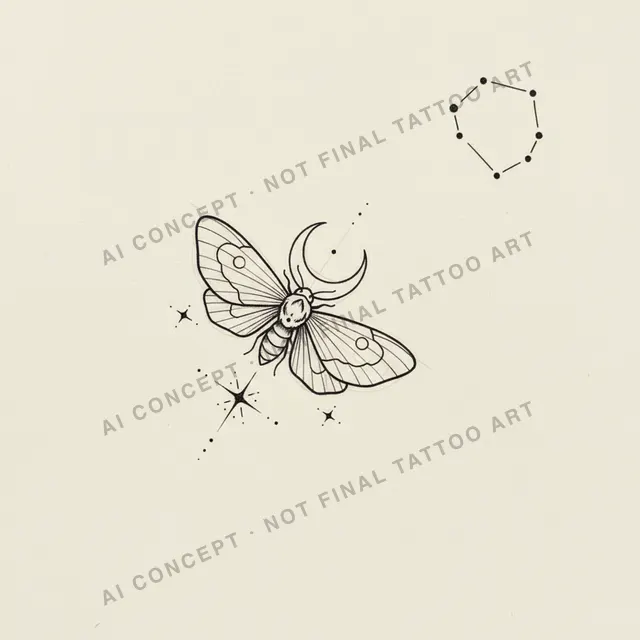
Minimal Structure
Related ideas
Watercolor elsewhere
Other styles on the shoulder
All watercolor placements · All styles on the shoulder · How to write a tattoo design brief · Preview it on your own photo
Questions, answered honestly
How much does a watercolor shoulder tattoo hurt?+
The shoulder is one of the more comfortable placements: most people rate it 3–4 out of 10, fairly consistently across the area. Watercolor is comparatively quick to execute, so sessions for a piece in the 8–20 cm range are usually short.
How big should a watercolor shoulder tattoo be?+
A realistic range is 8–20 cm on the longest side. Watercolor needs at least 8 cm before healed detail stays legible, and the shoulder comfortably takes 8–20 cm. Measure with a ruler on your own skin — sizes agreed on a phone screen are almost always smaller than the client imagined.
How will watercolor age on the shoulder?+
Watercolor is the least durable category: light ink deposits soften and lighten within 5–10 years. The shoulder sees a moderate amount of sun, so daily sunscreen makes a measurable difference.
Turn a watercolor shoulder idea into a plan
Brief, 3 directions, placement preview, artist review. Free for you — artists pay for the workflow, not you for images.
For tattoo artists
Your clients arrive prepared. You stay in control.
Structured briefs, region comments, approvals, and quote-to-deposit flow — without giving up a single stroke of your final design. AI never trains on your work.